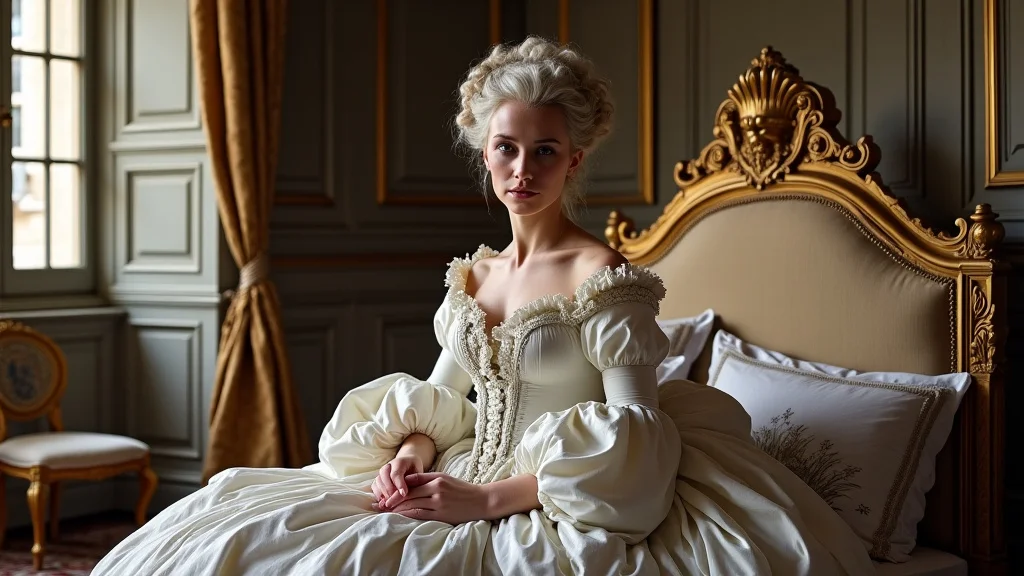
Picture this: you’re planning a trip to France, dreaming of wandering through grand palaces. You might be curious about the lives of royalty, especially someone as fascinating as Marie Antoinette. You wonder, just where did she sleep? What did her personal space look like? This post will help you explore the intriguing question: where is Marie Antoinette bedroom located? You’ll also discover the history and significance of the places she frequented. By the end, you’ll feel like you’ve taken a virtual tour, knowing all about her private chambers, and gaining new appreciation for French history.
Key Takeaways
- Discover the location of Marie Antoinette’s main bedroom at the Palace of Versailles.
- Learn about the history and significance of this famous room.
- Explore the design elements and furnishings of Marie Antoinette’s bedroom.
- Gain insights into the daily life of the queen in her private quarters.
- Understand the symbolism associated with this space.
- Discover the impact of the French Revolution on the Queen’s living arrangements.
Unveiling Marie Antoinette’s Private Sanctuary
The Palace of Versailles stands as a testament to French royalty and architectural grandeur. Within its elaborate walls, the apartments of Marie Antoinette offer a glimpse into the life of the last Queen of France. But the location of her bedroom holds particular interest. The space wasn’t just a place to sleep; it was a center of social and political activity. The queen’s bedroom was carefully designed and reflected her personality and status. This exploration of where is Marie Antoinette bedroom is essential to grasping the essence of her story.
The Main Bedroom Location
Marie Antoinette’s principal bedroom, often called the “Queen’s Bedchamber” or “Chambre de la Reine,” is located within the Grands Appartements of the Palace of Versailles. It’s in a pivotal spot, at the heart of the palace layout. This strategic position shows how important the queen’s role was at court. Being in the center, near other key rooms, shows her daily routines and the interactions she had with visitors. Understanding this central location gives insights into how the queen managed her life and connected with others, making the space not just a sleeping area, but a site of royal influence.
- The room faces the Cour de Marbre, a courtyard that was central to palace life.
- It is directly connected to the Queen’s Guard Room, providing security and accessibility.
- The proximity to the King’s Apartment further highlights the room’s significance.
- The placement allowed for easy access to other state rooms and private spaces.
- It was a space for important rituals, like the lever and coucher, formal rising and retiring.
Architectural Design and Decoration
The design of Marie Antoinette’s bedroom reflects the opulence of the era. The room was not simply decorated; it was carefully designed to present a specific image. The architecture incorporates elements of both practicality and aesthetics. The room’s structure helped to create a sense of order. The décor, from the furniture to the wall hangings, was selected to show off the queen’s taste and style, reflecting her status. The colors, textures, and use of space aimed to create a comfortable and elegant setting, that also expressed the power of the monarchy.
- The walls were covered in silk and decorated with elaborate carvings.
- The bed was placed within an alcove, offering both privacy and prominence.
- Gilt furniture and ornate details were prevalent throughout the space.
- Chandeliers and sconces provided illumination, reflecting the light.
- Mirrors were used to enhance the space and make it feel larger.
The Bed and Its Symbolic Meaning
The bed in Marie Antoinette’s bedroom was more than just a place to sleep. It was a central symbol of her royal power and status. The bed’s location within the alcove, for example, added to the ceremonial importance of the room. Its design, with its rich fabrics and decorations, conveyed wealth and refinement. The bed served as a stage for court rituals. These rituals, like the lever (rising) and coucher (retiring), played out in the room. This helped to highlight the monarch’s power and importance. It shows the significance the queen placed on her private space.
- The bed was often the focal point of the room, adorned with luxurious fabrics.
- The style of the bed reflected the fashion of the time.
- The alcove provided a sense of privacy.
- The bed was a stage for royal rituals.
- The materials used to make the bed showcased the wealth of the monarchy.
Exploring Marie Antoinette’s Daily Life
Marie Antoinette’s daily routine within her bedroom provides a look into the life of the queen. Her day consisted of both private moments and public obligations. The room was not only her personal space but also a hub for specific interactions. From her morning rituals to evening gatherings, her bedchamber was important to her daily schedule. Understanding these routines helps us to understand her activities and understand her impact.
The Lever and Coucher Ceremonies
The lever and coucher were highly important rituals. These ceremonies were a part of the daily structure. They offered structure to the queen’s daily routines. The lever involved the queen’s rising, when officials and courtiers would watch as she woke and began her day. The coucher was the equivalent ritual at the end of the day, when the queen prepared for bed. These ceremonies weren’t just about her. They emphasized her power and importance, showing her as the focal point of court life. Watching these helped to strengthen the bonds between the queen and the court.
- The lever was a formal morning ritual.
- The coucher was the evening ritual.
- These ceremonies showcased the queen’s importance.
- Courtiers would attend, seeking favor.
- They served to emphasize the structure of royal life.
Private Moments and Personal Activities
Despite the public nature of her life, Marie Antoinette did have private moments. The bedroom offered her a space to get away from the demands of court. These moments allowed the queen to relax, engage in personal activities, and spend time with those she held dear. Her ability to have private moments, within the public life she led, reflects her personality and requirements. These moments were important in keeping her balance.
- She would spend time reading, writing, and practicing music.
- She often invited close friends and family to join her.
- Personal letters and correspondence were a part of her daily life.
- The room offered a space for relaxation and solitude.
- These moments helped her balance public and private life.
Influence on Fashion and Culture
Marie Antoinette’s bedroom wasn’t just a place to live; it also influenced the fashion and culture of her era. The décor, her style, and the people she surrounded herself with, inspired trends. The design choices she made in her bedroom were noticed and copied by the court. Her personal style and lifestyle helped shape the fashion and culture of the time, making her bedroom a hub of cultural influence. Her impact shows the power of the monarchy.
- The room’s decor set fashion trends.
- Her choices influenced hairstyles and clothing.
- The furniture and accessories were widely copied.
- The queen’s lifestyle became a model for others.
- Her influence helped to define the style of the era.
The Impact of the French Revolution
The French Revolution had a huge impact on Marie Antoinette’s life, and on her bedroom. The room, once a symbol of royal power, was transformed by the events. The changes in society and in political structure of the time, impacted the ways people viewed the monarchy. The bedroom’s furnishings were changed, its function altered, and its symbolic importance altered. The history of her bedroom shows the dramatic change that happened at that time.
Transformation of the Room
As the revolution advanced, Marie Antoinette’s bedroom went through changes. The room, that once presented wealth and opulence, shifted. The revolution impacted the use of the space, showing the changing balance of power. The room, which once was a center of her daily life, lost some of its importance. These shifts show how the revolution brought changes to the Palace of Versailles. They show how it reshaped the symbols of the royal family.
- Many furnishings were removed or destroyed during the revolution.
- The room became a symbol of the monarchy’s downfall.
- Public access to the room changed.
- The function of the room was altered.
- The space took on a new historical meaning.
Symbolic Significance in the Revolution
During the French Revolution, the queen’s bedroom was more than just a space. It became a powerful symbol of the monarchy. The room helped to show the extravagance and perceived detachment of the royal family from the everyday lives of the French people. The room was a focus of public attention, symbolizing the revolution’s attacks on the monarchy. As the people viewed it, the revolution came to represent a shift in the political and cultural landscape.
- The room was used as a symbol of excess.
- It became a focal point of anti-royal sentiment.
- It represented the distance between the monarchy and the people.
- The revolution changed its meaning.
- It served to highlight the change in power.
Legacy and Preservation
The legacy of Marie Antoinette’s bedroom reaches through history, and is still seen today. The room has been restored and maintained so that visitors can experience the period. The importance of the room has been recognized, as it provides insights into Marie Antoinette and the era. The continuous efforts to preserve the space help to guarantee that its story continues to be remembered. It helps preserve the legacy of Marie Antoinette’s story.
- The room has been restored.
- It is now open to the public as a museum.
- It offers insight into the queen’s life and times.
- It remains a significant site for visitors.
- It is a key part of the Palace of Versailles.
Common Myths Debunked
Myth 1: Marie Antoinette said “Let them eat cake.”
This is a quote often associated with Marie Antoinette, implying that she was out of touch with the struggles of the poor. The truth is that there is no historical evidence that she ever said this. This quote was likely created to discredit her. It demonstrates how she was viewed negatively. This misconception showcases the spread of false information and its role in influencing historical accounts.
Myth 2: She was extravagant and spent excessively on fashion and luxury.
While Marie Antoinette did enjoy fashion and a luxurious lifestyle, the stories about her expenses have been exaggerated over time. There are claims of overspending, but the actual extent of her financial impact is debatable. The perception of her lavish spending played a role in the public view. It has contributed to the image of her extravagance. In reality, much of her spending was common among royalty. The stories became exaggerated, and played into the growing disapproval of the monarchy.
Myth 3: She was a frivolous and superficial person, uninterested in politics.
While Marie Antoinette enjoyed her time, this view of her doesn’t give the full picture of her character. While she did enjoy fashion and social events, she wasn’t without a keen interest in politics. She became involved in some political activities. This shows her efforts to support the monarchy. Her influence and views had a greater impact than many people claim. The truth is more nuanced, highlighting her activities.
Myth 4: She was entirely responsible for the French Revolution.
It’s not correct to hold Marie Antoinette solely responsible for the French Revolution. The revolution was the result of a variety of causes. These included social inequalities, financial problems, and political unrest. While she was a symbol of the monarchy, and played a role in the events of the time, she was not the only cause. To blame her is to simplify a complex time.
Myth 5: Her bedroom was always in perfect condition.
The state of Marie Antoinette’s bedroom changed over time. The room experienced the impacts of history. During the French Revolution, the room was disturbed. While it was known for its beauty, it wasn’t always perfect. The current state is the result of restorations and preservation. This shows a long history with changes.
Frequently Asked Questions
Question: Where can I find Marie Antoinette’s bedroom?
Answer: It’s situated within the Palace of Versailles, France, inside the Grands Appartements.
Question: Can visitors tour Marie Antoinette’s bedroom?
Answer: Yes, the bedroom is open to visitors as part of a tour of the palace.
Question: What is the significance of the bed in her room?
Answer: The bed was a central symbol of her royal power and status, used for court ceremonies.
Question: What role did Marie Antoinette’s bedroom play during the French Revolution?
Answer: It became a symbol of royal excess and was targeted during the revolution.
Question: Has the bedroom been restored to its original condition?
Answer: The bedroom has been restored to reflect its historic appearance as closely as possible.
Final Thoughts
The journey to discover where is Marie Antoinette bedroom, takes you into the heart of the Palace of Versailles. The Queen’s Bedchamber isn’t just a room; it’s a portal. It tells the story of her daily life, her influence, and the impact of the French Revolution. From the ceremonial rituals to the beauty of the design, her room embodies the wealth and culture of the era. The space is a key part of her legacy. Visiting the room allows you to imagine the queen’s routines and the events that unfolded there. Explore this space to experience a key part of history.
