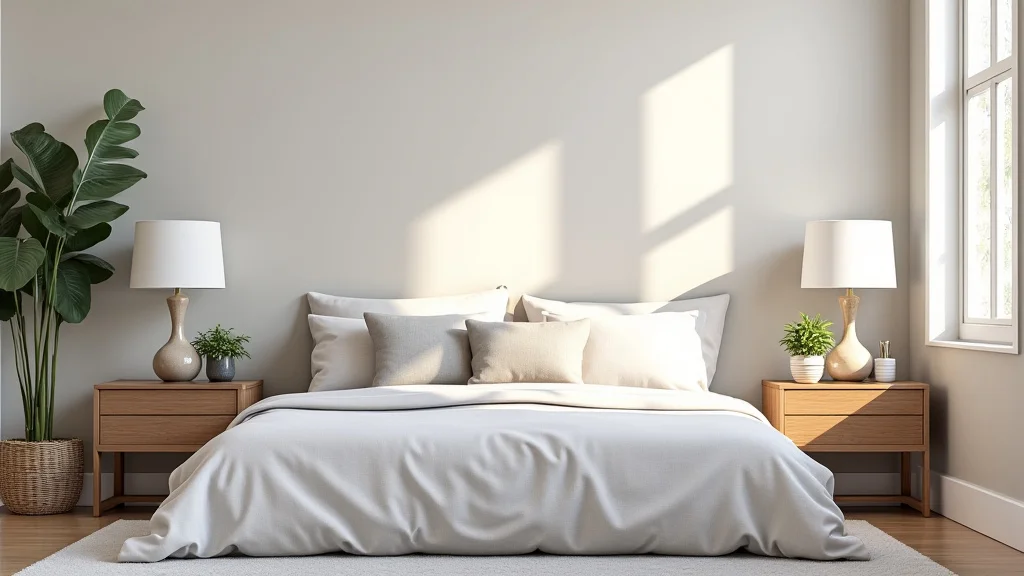
Remember that time you spent hours rearranging your childhood room, dreaming of a perfect space? Maybe you envisioned a cozy reading nook or a vibrant area for creative projects. Choosing a bedroom is more than just selecting a space; it’s about curating a personal sanctuary that reflects your personality and supports your daily life. This post will help you examine different elements to consider when selecting a bedroom. You’ll gain valuable insights into how to make an informed decision for an ideal living space, increasing your Time on Page and reducing that dreaded Bounce Rate.
Key Takeaways
- Explore different factors to think about when choosing your bedroom.
- Understand the impact of size and layout on your daily living.
- Discover the significance of natural light and how it affects your mood.
- Learn the role of color and aesthetics in your bedroom environment.
- Identify strategies for personalizing your bedroom space to reflect your unique preferences.
- Learn about the impact of functionality and comfort in choosing your bedroom.
Considering Space and Layout
The size and layout of a bedroom are the first significant aspects to analyze when making your choice. A larger room obviously offers more space for furniture and activities, but it might feel less cozy. A smaller room, on the other hand, can feel more intimate and be easier to keep tidy, although it might limit your design choices. Understanding your needs and lifestyle is important, whether you are a minimalist or like to have multiple areas in your bedroom.
Space Efficiency
Space efficiency in a bedroom refers to how well the room’s layout maximizes the available area. A well-designed bedroom effectively uses every square foot, minimizing wasted space. This involves thoughtful furniture placement, incorporating multi-functional items, and using vertical space for storage. Consider a bed with built-in drawers, wall-mounted shelves, and a compact desk to boost space efficiency. Thinking about the direction of your bed, the placement of your closet, and any space for relaxing will help make your bedroom feel perfect. Effective space usage makes the room feel less cramped and increases its overall functionality and comfort.
- Furniture Placement: The placement of furniture significantly impacts how spacious a room feels.
- Multi-functional Items: Choosing items that serve multiple purposes, like a storage ottoman or a bed with built-in drawers, maximizes space.
- Vertical Storage: Making the most of wall space by using shelves, tall wardrobes, or over-the-door organizers creates more floor area.
- Minimize Clutter: Clearing clutter is key. The room will look and feel much larger and more serene if you only keep what you need.
Layout Essentials
The bedroom layout significantly impacts how comfortable and functional the space is. Consider the flow of movement, ensuring easy access to key areas such as the bed, closet, and desk. A well-considered layout also takes the size and shape of the room into account, optimizing furniture placement for the best use of space. Think about traffic patterns to avoid cramped or obstructed areas. Try to create distinct zones for sleeping, work, or relaxation if possible. A great layout will make the bedroom feel welcoming and easy to live in.
- Traffic Flow: Keep pathways clear so you can easily move around the room.
- Furniture Arrangement: Arrange furniture strategically to create clear zones and optimize space usage.
- Room Shape: Use the room’s shape to your advantage, positioning furniture to suit its dimensions.
- Accessibility: Ensure easy access to doors, windows, and closets for convenience.
Example Scenarios
- Small Bedroom: In a small bedroom, consider a loft bed with a desk or storage underneath to maximize floor space. Use light-colored walls and mirrors to make the space feel bigger. A streamlined layout with minimal furniture will further enhance the feeling of spaciousness.
- Large Bedroom: A large bedroom allows for creating zones, such as a seating area for relaxation or a dedicated workspace. Using a large rug to define the sleeping area and incorporating a dresser or a bench at the foot of the bed will help fill the space and prevent it from feeling empty.
The Influence of Natural Light
Natural light significantly impacts our mood, energy levels, and overall well-being. A bedroom filled with sunlight can feel more inviting and less enclosed. Natural light can also help regulate your circadian rhythm, which improves sleep quality. When selecting a bedroom, think about the direction the windows face and how much natural light will stream in during different times of the day. A well-lit bedroom promotes a more positive and healthy living environment.
Light Exposure Analysis
Analyzing light exposure means assessing how much sunlight a room gets and at what times of day. This includes evaluating window size, window direction, and any obstructions, like trees or buildings. A bedroom facing east gets morning sun, which is great for waking up, while a west-facing room gets afternoon light, which is ideal for relaxing in the evenings. Using these observations helps in deciding which bedroom would work best based on your light preferences. Taking the time to observe the lighting conditions throughout the day ensures that the selected room provides the best natural lighting experience.
- Window Direction: Assess which direction the windows face. East-facing windows provide morning light, west-facing windows offer afternoon light, and south-facing windows give the most consistent natural light throughout the day.
- Window Size: Bigger windows let in more light, brightening the space and making it feel more open.
- Obstructions: Think about any obstructions, like trees or other buildings, that might block sunlight.
- Seasonal Changes: Notice how light changes throughout the seasons.
Mood and Sunlight
Sunlight significantly affects your mood. Natural light triggers the release of serotonin, a neurotransmitter that elevates mood and promotes feelings of well-being. A bedroom that gets plenty of sunlight often feels more cheerful and less depressing than a room with limited light. Exposure to natural light can reduce symptoms of seasonal affective disorder (SAD) and enhance overall mental health. A sunny bedroom can inspire a positive mindset, promoting a sense of happiness and calm, which can improve your quality of life.
- Serotonin Boost: Sunlight stimulates serotonin production, improving mood.
- Reduced SAD Symptoms: Exposure to natural light can lessen symptoms of seasonal depression.
- Enhanced Energy: Natural light can help you feel more awake and energized.
- Improved Sleep: Sunlight exposure helps regulate the body’s natural sleep-wake cycle.
Visual Representation
Imagine two bedrooms. One has a large, south-facing window with sunlight streaming in, illuminating the space and creating a warm, inviting atmosphere. The other bedroom has a small north-facing window, with little direct sunlight, leaving the room feeling dim. Visualizing this makes it easier to comprehend the difference that natural light can make in a bedroom, emphasizing its importance in choosing the right space for well-being and daily enjoyment.
Design and Aesthetics
The design and aesthetics of a bedroom play a big part in its atmosphere and your personal comfort. The combination of colors, textures, furniture styles, and decor reflects your style. Whether you prefer a minimalist, modern design or a cozy, traditional feel, the aesthetics of your bedroom make it a comfortable haven. The details you choose, like art on the walls, soft furnishings, and lighting, contribute to creating a space that feels right.
Color Psychology
Color has a powerful impact on our emotions and mood. In the bedroom, certain colors can encourage relaxation, while others can energize. For instance, soft blues and greens often evoke feelings of peace and calmness, making them great choices for bedrooms. Warm colors, like yellows and oranges, can make a space feel inviting and cozy, but they can be a bit energizing. Neutral colors such as whites, creams, and grays offer a versatile base that can work with any decorative style. Using color to intentionally create the desired atmosphere can make your bedroom a true reflection of your personality and needs.
- Blue: Promotes calmness and relaxation, ideal for sleep.
- Green: Creates a sense of peace and harmony, connecting with nature.
- Yellow: Uplifting and cheerful, but can be overstimulating.
- White: Clean and spacious, creating a sense of openness.
Design Style Selection
Selecting your design style involves choosing an aesthetic that matches your personal taste and lifestyle. Common styles include minimalist, which emphasizes simplicity and functionality; modern, which features clean lines and a sleek look; and bohemian, which embraces color, texture, and a relaxed feel. Choosing a design that resonates with you is key, whether it’s the sleek simplicity of a contemporary style or the warm coziness of a traditional design. Your preferred style will influence all aspects of your bedroom‘s design, from the selection of furniture and decor to the overall atmosphere.
- Minimalist: Clean lines, simple decor, and focus on functionality.
- Modern: Sleek and contemporary, with neutral colors and geometric shapes.
- Bohemian: Eclectic mix of colors, textures, and patterns for a relaxed atmosphere.
- Traditional: Classic furniture, rich colors, and symmetrical layouts for a timeless feel.
Creating a Personalized Space
Personalizing a bedroom creates a space that feels uniquely yours. This includes selecting decor that reflects your interests, displaying items that hold personal value, and arranging the space to match your routines and comfort. Adding photos, artwork, and collectibles can make the room more personal. This might involve creating a reading corner, setting up a workspace, or arranging furniture to complement your daily activities. Personal touches make the bedroom a true sanctuary.
- Artwork: Hang paintings, prints, or photographs that you love and that reflect your personality.
- Personal Items: Display objects that have personal meaning, like souvenirs or family heirlooms.
- Comfortable Furniture: Choose furniture that is comfortable and practical for your needs.
- Accent Pieces: Use cushions, throws, and rugs to add texture, color, and comfort.
Functionality and Comfort
Functionality and comfort are important aspects to consider when selecting a bedroom. A bedroom should be designed to support your daily routines, from sleeping and relaxing to working or getting ready in the morning. A functional room will include practical storage, convenient layouts, and comfortable furniture. A comfortable space encourages relaxation and allows you to wind down after a long day. Think about how the room will serve your needs to create a bedroom that is both practical and a pleasant place to be.
Storage Solutions
Effective storage is necessary for keeping a bedroom organized and clutter-free. Evaluate the available storage space, including closets, drawers, shelves, and any additional storage furniture. This could involve choosing a bed with built-in drawers, using under-bed storage containers, or adding shelving units to maximize space. Good storage solutions will help you keep the room tidy, allowing you to easily find what you need. Proper storage contributes to a functional and comfortable bedroom environment.
- Built-in Closets: Maximize vertical space and provide ample storage for clothing.
- Drawer Organizers: Keep drawers neat and tidy.
- Shelving Units: Use for displaying items or storing books and decor.
- Under-Bed Storage: Store seasonal items, extra linens, or other infrequently used items.
Bed and Comfort
The bed is the core element of the bedroom, so it is important to choose one that is both comfortable and suits your preferences. Consider the bed size, mattress type, and the quality of pillows and bedding. Your bed is critical to getting a good night’s sleep. Think about other comfortable additions, such as a cozy reading chair, soft rugs, and ambient lighting, all of which can contribute to the room’s relaxing environment. The goal is to create a space that promotes rest and relaxation.
- Mattress Selection: Choose a mattress that suits your sleeping style.
- Pillows and Bedding: Select soft, comfortable pillows and bedding to enhance sleep quality.
- Seating Options: Add a comfortable chair or bench for reading or relaxing.
- Ambient Lighting: Use lamps and dimmable lights to create a relaxing atmosphere.
Practical Considerations
Practical considerations involve the details that make a bedroom easier and more comfortable to use. This includes things like the placement of electrical outlets, the availability of good lighting, and the ease of temperature control. Make sure the bedroom has enough outlets for your electronic devices and consider the placement of lighting fixtures to avoid dark spots. Check the heating and cooling capabilities of the room and ensure that you can control the temperature comfortably. Considering these practical aspects will enhance the overall functionality and ease of use of your bedroom.
- Outlet Placement: Ensure sufficient outlets are available and conveniently located.
- Lighting: Make sure the room has the right lighting.
- Temperature Control: Ensure the room has efficient heating and cooling capabilities.
- Noise Levels: Think about any outside noise and how it might influence your sleep or relaxation.
Common Myths Debunked
Myth 1: Bigger is Always Better
Often, people think a larger bedroom is always superior. However, a room that’s too big can feel impersonal and difficult to keep cozy. The best bedroom size depends on your specific needs and how you plan to use the space. A smaller room can often be more comfortable and functional if designed well.
Myth 2: Bright Colors are Always Energizing
While bright colors are energizing, they can also be overstimulating, making it hard to relax and sleep. The best color palette balances vibrancy with calmness. Consider using softer shades for walls and stronger colors for accents in your bedroom for a balanced effect.
Myth 3: You Need to Spend a Lot to Get a Great Bedroom
Many believe that creating a beautiful bedroom requires a big budget. But style can be achieved with smart choices and creativity. Reusing old furniture, finding affordable decor, and being inventive with your space can help make a fantastic room without overspending.
Myth 4: A Dark Bedroom is Best for Sleep
While darkness can help you sleep, a completely dark room isn’t ideal for everyone. Some prefer a soft, ambient light for comfort and safety. Using dimmable lighting and adjustable blinds allows you to control the level of light to suit your needs.
Myth 5: All You Need is a Bed
Some people think all that’s needed for a bedroom is a bed. However, a bedroom should be a place where you can relax, work, or engage in hobbies. Your bedroom should include areas for work, relaxation, and storage to meet all your needs and improve your comfort.
Frequently Asked Questions
Question: What is the best bed size for a small bedroom?
Answer: For a small bedroom, a full or queen-size bed will provide the necessary space without overwhelming the room. Consider a bed with storage underneath to maximize the space.
Question: How can I make a small bedroom appear larger?
Answer: Use light-colored walls, mirrors to reflect light, and minimal furniture. Keep the room clutter-free, and use vertical storage options to maximize space.
Question: What is the best color for a bedroom to promote relaxation?
Answer: Soft blues, greens, and grays promote relaxation. These colors create a calm and soothing environment conducive to sleep.
Question: How important is natural light in a bedroom?
Answer: Natural light is very important. It regulates your circadian rhythm, enhances mood, and makes the room more inviting. East-facing windows are great for morning light, while west-facing windows provide afternoon light.
Question: What is the best way to choose furniture for a bedroom?
Answer: Choose furniture that complements the size of the room and suits your needs. Consider multi-functional pieces, like a bed with storage, and select items that reflect your personal style.
Final Thoughts
Choosing the ideal bedroom is a personal exploration, one that goes beyond just the physical space itself. You’ve now considered layout, natural light, design, and functionality. All these elements work together to shape your personal sanctuary. Remember that the best bedroom is the one that best suits your needs, preferences, and lifestyle. This space should promote rest, relaxation, and overall well-being. Think about what truly matters to you in a bedroom and select a space where you will feel most at home. Go ahead, create a bedroom that is uniquely you and tailored to your perfect life. Make your bedroom a place you love to be!
