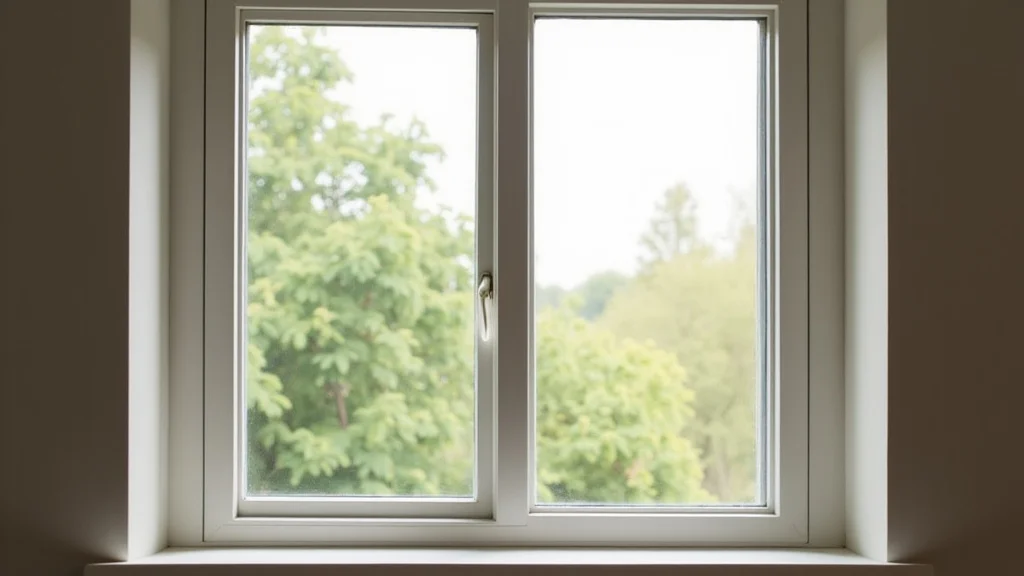
Picture this: It’s a sweltering summer night, and you’re tossing and turning, desperate for a breeze. You reach for your bedroom window, only to find it’s stuck shut. Suddenly, you wonder, “Wait, do bedroom windows have to open?” This question is more important than you might think, impacting everything from your comfort to your safety. In this article, we’ll explore the legal requirements, the practical implications, and everything in between, so you’ll be well-informed and prepared. You’ll gain a thorough knowledge of building codes, safety features, and best practices for creating a comfortable and compliant living space.
Key Takeaways
- Building codes often mandate that bedroom windows can open for safety and ventilation.
- Openable windows are crucial for emergency escape and rescue in case of a fire.
- Ventilation from open windows helps regulate air quality and reduces moisture buildup.
- Local regulations can vary, so it’s important to be aware of the specific rules in your area.
- Window size and design also play a role in meeting safety and ventilation standards.
- Understanding these requirements ensures your bedroom is both safe and comfortable.
Why Openable Bedroom Windows Matter
The functionality of bedroom windows significantly influences a home’s safety and well-being. These windows are not merely for aesthetic purposes; they serve critical roles in various situations. From allowing fresh air to circulating to providing a potential escape route during emergencies, the ability for windows to open is paramount.
Consider a scenario: a small electrical fire ignites in your bedroom. Smoke quickly fills the room, obscuring visibility and making it difficult to breathe. If your window cannot open, your options for escape are severely limited. On the other hand, an openable window can be your lifeline, allowing you to evacuate quickly and safely. This highlights the importance of openable windows in ensuring the safety of occupants.
Safety First: The Escape and Rescue Factor
The primary reason for requiring openable bedroom windows is related to safety. Building codes universally prioritize the provision of escape and rescue openings in bedrooms. These openings are crucial in the event of a fire, providing a secondary means of egress besides the door.
- Escape: An openable window allows occupants to quickly exit the room, significantly reducing their exposure to fire and smoke.
- Rescue: Emergency responders need access points to enter and rescue occupants who cannot escape on their own. Open windows facilitate this.
- Size Matters: Building codes dictate a minimum size for these openings, ensuring that adults can pass through them. Windows must be large enough to allow a person to climb through and provide a clear path.
- Accessibility: The windows must be easily accessible and operable from the inside without special tools or knowledge.
These requirements ensure occupants can safely exit a building during a fire. It also provides firefighters with an entry point for rescue operations. This aspect shows how openable bedroom windows are integral to a building’s safety features.
Ventilation and Air Quality
Beyond safety, openable windows play a crucial role in maintaining good indoor air quality and ventilation. Proper ventilation helps reduce the buildup of pollutants, moisture, and stale air, all of which can negatively impact health and comfort.
- Air Circulation: Opening windows allows fresh air to circulate, replacing stale air. This is crucial in bedrooms where people spend significant time.
- Moisture Control: Ventilation reduces humidity, which can lead to mold and mildew growth. This is particularly important in humid climates.
- Odor Removal: Ventilation helps remove odors. This keeps the room fresh and habitable.
- Health Benefits: Fresh air helps to lower carbon dioxide levels and provide clean air, which boosts physical and mental wellbeing.
The ability to open a bedroom window enables the natural exchange of air. It provides a healthier living environment. It also helps preserve the building’s structural integrity by preventing moisture problems.
Building Codes and Regulations on Openable Windows
Building codes are comprehensive sets of regulations that govern the construction of buildings. They aim to ensure safety, health, and structural integrity. Specific requirements regarding openable bedroom windows are essential components of these codes.
The specifics of the regulations concerning openable windows can vary based on local and regional building codes. The International Residential Code (IRC) is a widely adopted model code. It provides a basis for many local building codes in the United States. Other areas may use their own specific codes. It is important to know the rules in your location.
Key Code Requirements
Building codes typically address several key aspects related to openable windows in bedrooms:
- Minimum Opening Size: Codes specify the minimum size required for the window opening. This is usually expressed as a net clear opening, accounting for the window frame.
- Minimum Height and Width: This is required to accommodate safe egress. The width and height must allow an adult to pass through without undue difficulty.
- Accessibility: The windows must be easy to open from the inside without special tools.
- Location: Windows must be accessible and not blocked by furniture or other obstructions that could impede escape or rescue.
- Ground Floor Considerations: If a bedroom is on the ground floor, the window sill height must often be within a certain distance from the ground to allow easy exit.
The codes are designed to provide a safe and healthy environment for occupants. The aim is to ensure bedrooms meet these standards. It is beneficial to review local codes to determine specific requirements. Compliance is vital for all new construction, renovations, and home improvements.
Variations in Local Regulations
While the IRC provides a foundation, local municipalities can adopt and modify these standards based on regional needs, weather conditions, and construction practices. These variations can impact the design and installation of bedroom windows.
- Climate Considerations: Areas with extreme weather may have additional requirements for window insulation and energy efficiency. Some areas may permit windows that only partially open.
- Historical Districts: These districts often have special rules that govern window designs to preserve historical integrity.
- Fire Safety Zones: Areas with high fire risk may require specific window materials. Windows must have enhanced fire resistance.
- Inspection: Local building departments inspect homes to ensure windows meet codes.
Understanding local code variations is vital. This will ensure windows meet all applicable requirements. Contacting the local building department is always a great first step.
Window Types and Their Compliance
The type of bedroom windows you choose can significantly affect whether they meet code requirements. Some window designs naturally lend themselves to meeting safety and ventilation standards. Others may require modifications or are not suitable for bedrooms.
Common Window Types and Their Openability
- Double-Hung Windows: These windows have two sashes that slide up and down, offering excellent ventilation and easy operation. This makes them ideal for bedrooms.
- Casement Windows: These windows hinge on the side and swing outward. They provide ample opening space and excellent ventilation.
- Sliding Windows: These windows slide horizontally. They offer adequate ventilation, but the opening size is limited.
- Awning Windows: These windows are hinged at the top and swing outward from the bottom. They provide good ventilation. They also protect against rain.
- Fixed Windows: These windows do not open. They are not suitable for bedrooms as primary egress or ventilation options.
The best choices for bedrooms are double-hung, casement, and awning windows, as they provide full or near-full openings for escape and good ventilation. The choice of window type impacts safety, ventilation, and compliance with building codes. It is important to know the window’s design. This will help you ensure compliance.
Window Design Considerations
Beyond the basic type of window, several design elements influence whether it meets code requirements. These are crucial aspects of the design that impact functionality.
- Sill Height: The distance from the floor to the window sill is important for egress. Codes often limit this height, especially for ground-floor bedrooms.
- Window Size: The overall dimensions of the window affect the net clear opening. It must meet code-specified minimums for escape.
- Operability: The window must be easy to open and close from the inside. This is crucial for emergencies.
- Hardware: The hardware (locks, latches) must be simple to use. It must be accessible, even in low-light or stressful situations.
- Materials: The materials of the window frame and glass may need to meet fire resistance. This is required by local codes.
Designing and selecting the right windows involve all the necessary features. These designs will ensure safety and compliance. Consulting with a qualified contractor or architect is recommended.
Beyond Building Codes: Practical Considerations
While legal requirements are paramount, practical considerations are also important when selecting and using bedroom windows. These elements will impact comfort, functionality, and overall quality of life.
Ventilation Strategies
The ability to open windows can improve indoor air quality. It is a critical component of ventilation. Effective strategies can maximize the benefits of openable windows.
- Cross-Ventilation: Open windows on opposite sides of the room. This will create a breeze that circulates air effectively.
- Stack Effect: Open windows on different levels of the home. This will draw hot air out and cooler air in.
- Airflow Planning: Position windows to capture prevailing winds. This can boost natural ventilation.
- Regular Opening: Opening windows daily for even a short time can significantly improve air quality and reduce moisture.
The best ventilation strategies help maintain a comfortable and healthy living environment. They improve airflow throughout the home.
Energy Efficiency
While openable windows are beneficial, they also affect energy efficiency. Balancing the need for fresh air with energy conservation is vital. Energy-efficient window choices are a significant factor.
- Insulated Glass: Double- or triple-pane windows with low-E coatings can reduce heat transfer.
- Weatherstripping: Properly sealed windows can reduce drafts and air leaks, keeping the room warmer in winter and cooler in summer.
- Window Coverings: Curtains, blinds, and shutters can help block sunlight. This will reduce heat gain in summer and heat loss in winter.
- Window Placement: Strategic window placement can harness the sun.
Combining openable windows with energy-efficient technologies helps achieve both comfort and sustainability. Proper consideration of window design can save energy costs and reduce environmental impact.
Safety Features and Best Practices
Besides meeting building codes, several additional safety features can enhance the security and safety of bedroom windows.
- Window Locks: Install sturdy locks on all windows to prevent unauthorized entry.
- Window Guards: Consider installing window guards, particularly in homes with small children.
- Emergency Release: Ensure that all window locks are easily operable from the inside.
- Escape Plan: Develop and practice an escape plan. This should include the use of openable windows as escape routes.
- Smoke Detectors: Install smoke detectors inside and outside each bedroom.
By implementing these safety features, homeowners can increase safety and security. This will create a safer environment for themselves and their families.
Common Myths Debunked
Myth 1: All Bedroom Windows Must Be a Certain Size
While there are minimum sizes required for escape openings, not all bedroom windows must be a specific size. The size of the opening depends on local codes. Not the total size of the window.
Myth 2: You Cannot Have Screens on Bedroom Windows
You can certainly have screens on bedroom windows. However, these screens must be easily removable to allow for quick egress in an emergency. The screens cannot block the escape route.
Myth 3: You Don’t Need to Open Bedroom Windows if You Have Air Conditioning
Even if you have air conditioning, opening bedroom windows provides benefits. These include better air quality. Fresh air reduces moisture. It also decreases the buildup of stale air and odors.
Myth 4: Openable Windows Cause Too Much Heat Loss
While opening windows does lead to some heat loss, the benefits of ventilation. The benefits of fresh air often outweigh this concern. Energy-efficient windows and proper insulation minimize heat loss.
Myth 5: All Openable Windows Must Be Fire-Rated
Only in specific locations with high fire risk are windows required to be fire-rated. Standard windows that meet egress requirements are generally sufficient. Check local regulations for specifics.
Frequently Asked Questions
Question: What happens if my bedroom windows don’t meet building code requirements?
Answer: You may face penalties. These can include fines. You may be required to make the necessary corrections. You may not receive a certificate of occupancy if the windows do not meet code during inspections.
Question: Are there any exceptions to the openable window requirement?
Answer: Limited exceptions may exist. These often involve homes with sprinkler systems. Also, there are instances where historical preservation is a factor. Always consult your local building code for specifics.
Question: Can I
Answer: Not in most situations. Bedrooms require openable windows for safety and ventilation. You will need to install windows that meet these standards.
Question: How often should I open my bedroom windows?
Answer: It is generally advised to open bedroom windows at least once a day, even if it is only for a short time. This will help with air circulation. It will improve air quality.
Question: Who is responsible for ensuring that bedroom windows comply with building codes?
Answer: Primarily, the homeowner is responsible for ensuring compliance. Contractors must also ensure that the work meets code requirements. The local building department is responsible for inspections.
Final Thoughts
The question, “Do bedroom windows have to open?” has a definitive, yet nuanced, answer: yes, they typically must. This is not arbitrary, but rather a critical requirement rooted in safety, health, and building regulations. Openable bedroom windows serve essential functions beyond aesthetic value. They provide an escape route in emergencies, and they are critical for maintaining good indoor air quality. The ability for a window to open is key for occupant well-being. By understanding the building codes, you ensure your space meets the legal requirements. You can also improve your overall quality of life. Make sure to regularly check and maintain your window’s operability. In doing so, you’re not just ensuring compliance; you’re creating a safer and healthier home.
