Ever wondered about the secret spaces of power, places whispered about in hushed tones? Think about a friend excitedly telling you they’ve seen the White House on TV. You might ask, “Where does the President stay?” One such place, shrouded in historical significance, is the Lincoln Bedroom. This isn’t just any room; it’s steeped in history, a place where pivotal decisions have been made, and where presidents have spent the night. This post is your guide to exploring its location, its purpose, and the rich stories that surround it. You’ll gain a deeper appreciation for this important room, understanding its significance in American history. Prepare to explore this fascinating part of presidential history and learn about its hidden stories.
Key Takeaways
- Discover the historical significance of the Lincoln Bedroom and its prominent role in the White House.
- Explore the room’s location within the Executive Residence and its association with Abraham Lincoln.
- Learn about the room’s evolution and its use by different presidents.
- Understand the controversies and traditions associated with the room.
- Uncover some of the notable figures who have spent time in the Lincoln Bedroom.
- Gain a better grasp of the room’s place within the larger story of the White House and American presidential history.
The Presidential Suite: Location and Legacy
The White House, a symbol of American democracy, holds many intriguing spaces. Within its walls, the Lincoln Bedroom stands out, not just for its elegance but also for its profound historical connections. Finding its location is more than just about a physical space; it’s about uncovering a thread that connects us to the past. The room’s placement within the Executive Residence reflects its significance. Its history is deeply interwoven with that of Abraham Lincoln, lending the room an almost mythical status. The location itself suggests a place of importance, reserved for special guests and significant moments.
A Place in the White House
The Lincoln Bedroom is located on the second floor of the White House, in the private residence area. Access is restricted, adding to its mystique. The space was originally designed as a large office before being converted into a bedroom. Its transformation reflects the shifting needs of the White House and the presidents who inhabited it. The room’s architecture and decor have changed over time, yet its core function as a place of rest and a site of important meetings remains constant. You won’t find it open to public tours, emphasizing its role as a private space. Its location keeps it near other rooms essential to presidential life.
- The Lincoln Bedroom is part of the White House’s second floor, an area dedicated to the President and First Family’s private living quarters.
- It’s situated near other important spaces like the President’s study and other guest rooms, reflecting its status.
- Access is carefully controlled, which strengthens its aura of privacy and importance.
- The room’s position on the second floor helps it to be close to essential amenities.
- It is kept well maintained for both its function and historical importance.
The Link to Abraham Lincoln
The room’s name pays homage to President Abraham Lincoln, linking it directly to the Civil War-era leader. It’s said that Lincoln used the room as an office and a place to meet with advisors. Even though Lincoln never actually slept in the room, it carries his legacy. It is believed that Lincoln signed the Emancipation Proclamation nearby. The room’s name is a reminder of the weight of history and the decisions made within the White House. The room’s association with Lincoln is a core part of its identity, ensuring his place in the nation’s historical narrative. The link to Lincoln shapes the room’s identity.
- The room is named in honor of Abraham Lincoln, one of the most respected presidents in US history.
- Lincoln used the room during the Civil War, giving it historic value.
- It represents his values, strength, and his impact on American society.
- The association makes it a memorable and significant location.
- The room helps keep Lincoln’s legacy relevant.
Architectural and Decorative Features
The Lincoln Bedroom showcases a variety of design elements that contribute to its distinctive character. It’s a mix of historical artifacts, carefully selected furniture, and ornate decorations. The room’s design has changed over time to reflect the tastes of the presidents who stayed there. Its decor speaks of history and elegance. The furnishings and artwork provide insight into the changing trends in American design. The style reflects a blend of practicality and beauty, creating a space for both rest and contemplation. The combination of historical elements and comfortable furnishings makes it a memorable location.
- The bedroom combines historical artifacts with carefully selected furnishings to create an atmosphere of elegance.
- It contains elements that represent different time periods, reflecting how the room’s use has shifted.
- The choice of decorations and furniture offers insight into American design trends.
- The room’s aesthetic design creates a space that is both practical and beautiful.
- The decor includes items that represent its role in history and its connection to past presidents.
History, Usage, and Presidential Traditions
The story of the Lincoln Bedroom is a tale of adaptation and change. It’s transformed from a functional space to a room laden with historical significance. The way presidents have used the room reveals their priorities and the ways they saw their roles. Understanding the practices and traditions related to the room gives us insight into the White House. From informal meetings to formal overnight stays, the Lincoln Bedroom has hosted a wide variety of events, solidifying its importance. Different presidents have added their own marks on the room and the traditions associated with it. This section will discuss the most important moments.
Evolution of the Room’s Function
The function of the Lincoln Bedroom has changed greatly. Initially, the space served a practical purpose as an office. Over time, it developed into a guest room and a symbol of power and history. The room’s use changed with each presidential administration, leading to unique customs and traditions. The location was not always the guest room we know today. Understanding these shifts helps us see how the White House has changed over time. The changing function of the room demonstrates its flexibility. The room’s many functions help tell the White House’s story.
- The room started as an office space before becoming a guest room and a symbol of history.
- Its usage changed with each administration, reflecting how presidents viewed the role.
- The room’s location, near other important presidential spaces, further highlights its value.
- These changes reveal the adaptability of the White House and its role in American history.
- The different uses help create a memorable place in the story of the White House.
Presidential Stays and Notable Guests
The Lincoln Bedroom has housed many important figures. Presidential guests have included world leaders, celebrities, and individuals who have significantly contributed to American society. These overnight stays often come with stories and traditions, adding to the room’s rich history. The selection of guests is interesting, frequently reflecting the president’s goals. The identities of these guests often provide a window into the relationships and priorities of the White House. These stays are often a source of discussion and a reminder of the room’s importance. Every guest leaves a small imprint on the room.
- Over time, the room has hosted various important guests, from world leaders to celebrities.
- These visits frequently create stories and traditions, enriching its history.
- Who stays in the room can tell us about the president’s priorities and goals.
- Guests often reflect relationships the president has.
- The stays can remind us of the room’s place in history.
The Room in Modern Politics
The Lincoln Bedroom continues to be part of the White House. Its place in modern politics shows the ongoing value of history and symbolism. Its use sparks discussion on transparency, access, and the values the White House reflects. The room’s place demonstrates the importance of the past within the present. The room is still a location of interest and conversation. The room’s value in today’s politics shows how much history matters. The location continues to create its mark.
- The Lincoln Bedroom continues to play a significant role in current political discourse.
- The room sparks discussion about access, values, and the White House.
- It demonstrates the importance of history in today’s politics.
- The room’s visibility highlights the role of symbolism.
- The location shows a link between the past and the present.
Controversies and the Lincoln Bedroom
Like any space with such high status, the Lincoln Bedroom has not been without debate. Over the years, there have been discussions concerning how the room has been used. Such discussions involve concerns related to ethics, access, and the use of the White House for personal gain. These discussions often take place in public, and the room becomes a point of focus. The debates highlight the need for clarity and transparency in the operation of the White House. Each controversy surrounding the room shapes its history.
Ethical Considerations and Discussions
Discussions regarding the Lincoln Bedroom often involve ethics. Public opinion and media scrutiny are often part of these discussions. Concerns about access and influence can lead to debates about the room’s function. The debates call for openness and accountability in presidential actions. The room’s use becomes a test of ethical principles. These discussions remind us of the significance of transparency. The debates highlight the importance of public perception.
- Debates around the room often touch on ethical questions about access and influence.
- Media attention and public opinion often play a part in these discussions.
- There is a need for clarity and transparency.
- Ethical considerations are a critical aspect of how the White House operates.
- The room is a center of attention in the debates.
Access and Influence
The question of who gets to stay in the Lincoln Bedroom has frequently led to debate about access and influence. The room serves as a powerful symbol of status and close relationships. Access to the room can imply influence. The selections can be viewed as reflections of the president’s relationships. The question of who gains access can raise concerns. Discussions about the room highlight the balance between tradition and fairness. The debates help show how things are done in the White House.
- Access to the room often leads to debate about relationships and status.
- It can signify influence.
- The selection of guests can reflect the president’s relationships.
- It raises questions about fairness and tradition.
- It brings discussion about influence and White House operations.
The Room and Public Perception
The public sees the Lincoln Bedroom, giving it a key role in influencing opinions. How the room is used can affect how the public sees the president. Ethical questions, access, and past practices have a role in the public perception of the room. The room’s use is often viewed through the media lens. Maintaining public trust is vital for the White House. Public opinion can affect policies and the president’s legacy. It can be a double-edged sword: a symbol of history and power.
- The room is an important part of public perceptions of the White House and its occupants.
- How it is used can have a direct impact on public opinion.
- Media coverage of the room can influence views.
- Public opinion is an important part of the discussions around the room.
- Maintaining public trust is important.
Visualizing the Lincoln Bedroom
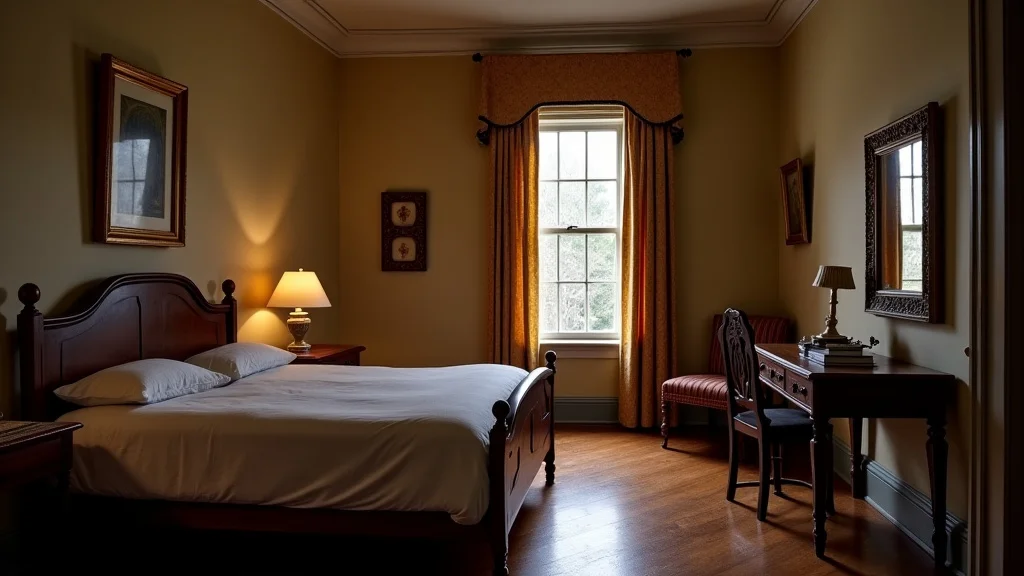
Although you cannot step into the Lincoln Bedroom, you can explore the location in your mind. Descriptions and illustrations can provide a clear view of its architecture, furnishings, and overall atmosphere. These visual elements help create a picture of the room, allowing us to connect with its rich history and importance. The visual information helps build an image of the room in your thoughts. The room’s design and furnishings are significant. The location and design bring the history to life.
Architectural Details and Interior Design
The room’s architecture and interior design provide insight into its distinctive atmosphere. You might imagine details, such as its lighting, which can vary depending on its role and use. The materials used, like the furnishings, offer insight into the time periods and the preferences of past presidents. The design reflects the room’s function. The room’s design tells the story of its past and the preferences of people who lived there. The architecture and the design create the room’s atmosphere.
- The architecture combines with the interior design to create a special atmosphere.
- Lighting, colors, and the use of space all contribute.
- The room features historical furnishings.
- The design shows preferences of past presidents.
- The details contribute to the room’s character.
Furniture, Decor, and Historical Artifacts
The furniture, decor, and artifacts within the Lincoln Bedroom have a special significance, representing different historical eras. They help paint a picture of the room’s history and the stories connected to it. These items have been carefully selected, and they show the room’s evolution. They provide a look into how the room has changed over time. The furnishings speak of taste and past events. The room’s artifacts provide a link to the past.
- The furniture and decor reflect different time periods and preferences.
- Historical artifacts give the room extra meaning.
- These items tell a story about the room’s role in history.
- The selections showcase the changing tastes.
- The room’s look shows its evolution over time.
Symbolism and Atmosphere
The atmosphere of the Lincoln Bedroom is filled with symbolism. Everything, from the lighting to the art, has significance. The room’s design encourages reflection. It represents power, history, and the values of the United States. Its atmosphere reflects the past. The room’s atmosphere creates an atmosphere of significance. The setting’s atmosphere is created by its history and design. The room’s symbolism helps it tell its story.
- The atmosphere combines design with historical context.
- It creates a sense of history.
- The room can promote reflection.
- The symbolism adds to its legacy.
- The atmosphere is the essence of its character.
Beyond the Lincoln Bedroom
The story of the Lincoln Bedroom fits within the bigger story of the White House and American history. Learning about this room adds to the history of the presidency. The location demonstrates the role of symbolism. The White House and its rooms represent the nation’s past. Understanding the Lincoln Bedroom helps you understand American democracy and history. The room is part of a larger story.
The White House and American History
The White House is an integral part of American history. Its history is tied to the nation’s past. The White House serves as a place where key moments took place. Each room helps demonstrate America’s story. Rooms such as the Lincoln Bedroom carry the weight of events. The White House also reflects the country’s ideals. The Lincoln Bedroom is just one example. The White House demonstrates the American story.
- The White House, as a whole, is a symbol of American history and the ideals it reflects.
- Every room, including the Lincoln Bedroom, has its own unique story and historical importance.
- The White House symbolizes the development of American democracy.
- It has been a part of important moments.
- These aspects help demonstrate America’s story.
Other Significant Spaces in the White House
Besides the Lincoln Bedroom, the White House has several other rooms with unique stories. The Oval Office, the State Dining Room, and the East Room each have special significance. These spaces have been the settings of major events. They also help shape the narrative of American history. Each room provides a look into the presidency and the American past. These rooms help create the feeling of the White House. Understanding these locations provides a richer experience.
- The Oval Office is the President’s workplace and a global symbol of power.
- The State Dining Room is where official events take place.
- The East Room has witnessed significant events.
- Each room gives a look at American history.
- These spaces contribute to the rich tapestry.
The Role of Symbolism in the Presidency
The use of symbolism is essential to the role of the President. Symbols communicate values and represent the nation. The Lincoln Bedroom, like the White House, has significant symbolism. It demonstrates power and history. The use of symbolism helps create a national identity. Understanding the symbolism of the White House gives us a greater understanding of the presidency. Symbolism is an essential part of the American experience. The use of symbolism connects with the citizens.
- The use of symbolism is essential to understand the President’s role.
- Symbols help convey values and represent the nation.
- The Lincoln Bedroom is rich in symbolism.
- Symbolism helps create national identity.
- Symbolism helps connect the presidency with the American people.
Common Myths Debunked
Myth 1: The Lincoln Bedroom is exactly as it was when Abraham Lincoln lived.
The reality is that the Lincoln Bedroom, while named in his honor, has gone through several design changes since his time. It has been renovated and redecorated, to match the tastes of different presidents. While historical artifacts might be present, the room’s current look and feel don’t perfectly reflect what it would have been during Lincoln’s presidency. The room’s evolution mirrors the changing times.
Myth 2: Only people with political influence can stay in the Lincoln Bedroom.
It is true that the room is generally reserved for important guests. However, the guest list has involved a variety of individuals, including foreign leaders, and people who have made substantial contributions to society, not just those with political sway. While access can be difficult, the guest list isn’t always based only on political influence. The guest list is often based on the president’s priorities.
Myth 3: The Lincoln Bedroom is the most important room in the White House.
Although the Lincoln Bedroom is a key spot, it’s only one part of the White House. Other rooms, such as the Oval Office or the Situation Room, also have crucial functions. Each space contributes to the overall history and significance of the White House. It’s important to understand the value of all the rooms. They each have special qualities.
Myth 4: The Lincoln Bedroom is always used for its original function.
The Lincoln Bedroom has adapted over time. Originally used as an office and meeting room, it eventually became a guest room. Its function varies depending on the presidential administration. The change shows its flexibility. The room’s uses help tell its story.
Myth 5: All presidential guests in the Lincoln Bedroom are always private.
While stays in the room are generally private, information can sometimes be made public. The media has reported on some guests, opening the room to scrutiny. The guests help show the importance of the room. Information is sometimes shared with the public.
Frequently Asked Questions
Question: Can the public visit the Lincoln Bedroom?
Answer: No, the Lincoln Bedroom is not open to the general public for tours. It is part of the private residence of the White House.
Question: What is the significance of the room’s name?
Answer: The name of the room honors Abraham Lincoln. The name gives a link to history and his legacy. Although Lincoln never slept there, the link to the historic president adds to its legacy.
Question: What kind of guests have stayed in the Lincoln Bedroom?
Answer: Guests have included heads of state, celebrities, and individuals who have made valuable contributions to society.
Question: Does the room’s decor always remain the same?
Answer: No, the decor and furnishings have been updated over time to match the different tastes of the presidents and their families. They showcase both change and history.
Question: What makes the Lincoln Bedroom important today?
Answer: The room’s role helps us understand the importance of history, tradition, and symbolism in the presidency. The location remains of interest for the events held there.
Final Thoughts
The Lincoln Bedroom is more than just a room. It is a portal to the past, a symbol of presidential history, and a place where important moments have unfolded. The room’s location, on the second floor of the White House, adds to its exclusivity. The link to Abraham Lincoln offers a connection to the past. The room has evolved over time. Its historical significance continues to impact its usage in today’s politics. This space serves as a reminder of the weight of history and the decisions made within the White House. The room’s stories help to show the value of American democracy. Keep exploring the hidden places of power. Consider the legacy of the White House.
