Imagine you’re giving a tour of your home, but instead of a simple house, it’s the White House! The curiosity about the private life of the U.S. President is intense. One of the most common questions is, what bedroom does the president sleep in? We’re going to explore the answer to that and much more. This guide will provide detailed insights into this subject, allowing you to learn about presidential living. You’ll gain a deeper appreciation for the history, layout, and secrets hidden within the most famous residence in the United States, ultimately boosting your knowledge and satisfaction.
Key Takeaways
- Discover the official living quarters of the President of the United States.
- Learn about the history and evolution of the White House’s presidential bedrooms.
- Explore the various levels and rooms used for presidential residence.
- Understand the significance of the private spaces within the White House.
- Gain a unique perspective on the lifestyle of a U.S. President.
The Primary Presidential Bedroom: A Historic Overview
The White House, a symbol of American power, has served as the residence and workplace for every U.S. president except George Washington. The building’s history is intertwined with the lives of its inhabitants, and one of the most intriguing questions is, what’s the official sleeping space? The design of the White House has changed since its completion in 1800, including the evolution of the residential areas. The structure was nearly destroyed during the War of 1812 when the British set fire to the building, but it was rebuilt. The rebuilding process also brought about some modifications to the interior layout, including the layout of the bedrooms.
The first president to occupy the White House was John Adams and his wife Abigail. However, the exact configuration of the living spaces during the early years of the White House’s existence differed substantially from what exists today. There were far fewer amenities and less privacy than modern presidents enjoy. As the country grew and its leaders developed, so did the need to adapt and evolve this iconic building. The president’s bedroom has shifted with time, technology, and presidential families.
Early White House Residences
During the early days, the White House was less about grandeur and more about function. The focus was on basic necessities. Bedrooms were more basic than today, and the concept of a dedicated, lavish master suite was not yet established. The bedrooms were arranged with practicality in mind rather than the luxury. The size of the bedrooms was modest. The Adams, for instance, used the State Dining Room as a drying room.
- Simplicity and Functionality: The earliest bedrooms were simply furnished with basic furniture and primarily served their core purpose—sleeping. Comfort was secondary.
- Shared Spaces: Early presidential families often shared bedrooms and living spaces with staff, and children, due to limited space. Privacy was a limited commodity.
- Adaptation and Change: As each new president entered office, they often made changes to the White House’s interior, including the arrangement and use of the bedrooms, reflecting their individual preferences and the needs of their family.
The Evolution of Presidential Bedrooms
Over the years, the rooms have undergone changes to accommodate new technologies and changing times. The renovation and reconstruction following the fire in 1814 resulted in significant changes to the building’s interior. As time went on, the rooms were upgraded with new furnishings and improvements to living comfort and style. The presidential bedroom is no exception, and the space has evolved to meet the needs of each new occupant. This included modern appliances, air conditioning, and a level of comfort that would not have been imaginable to early presidents.
- Technological advancements: Over the years, the evolution of the bedroom has also incorporated modern conveniences like en-suite bathrooms, comfortable air conditioning, and enhanced security systems.
- Personalization: Each first family typically brings in their own furnishings, artworks, and personal touches to make the space their own. This reflects their tastes and how they want to be seen.
- Security Upgrades: Security is a top priority, which has led to constant changes. The presidential bedrooms are equipped with advanced security measures, communication systems, and safe rooms.
Where Does the President Sleep Today? The Second Floor
So, exactly what bedroom does the president sleep in today? The primary residential area for the president and their family is located on the second floor of the White House. This floor is entirely dedicated to the First Family’s private quarters, offering space for relaxation and family life. The layout of the White House’s second floor includes several bedrooms. It’s designed to provide both privacy and comfort. There are also private living spaces, a kitchen, and a dining area, ensuring the President and their family have everything they need.
The layout of the bedrooms reflects the specific requirements of the First Family, allowing each president to arrange the space to fit their needs. The layout has changed over time with the addition of rooms and the upgrading of existing spaces, adapting to the needs of each family that lives within the walls of the White House. The second floor provides a setting of both private living and functional security.
Inside the Presidential Suite
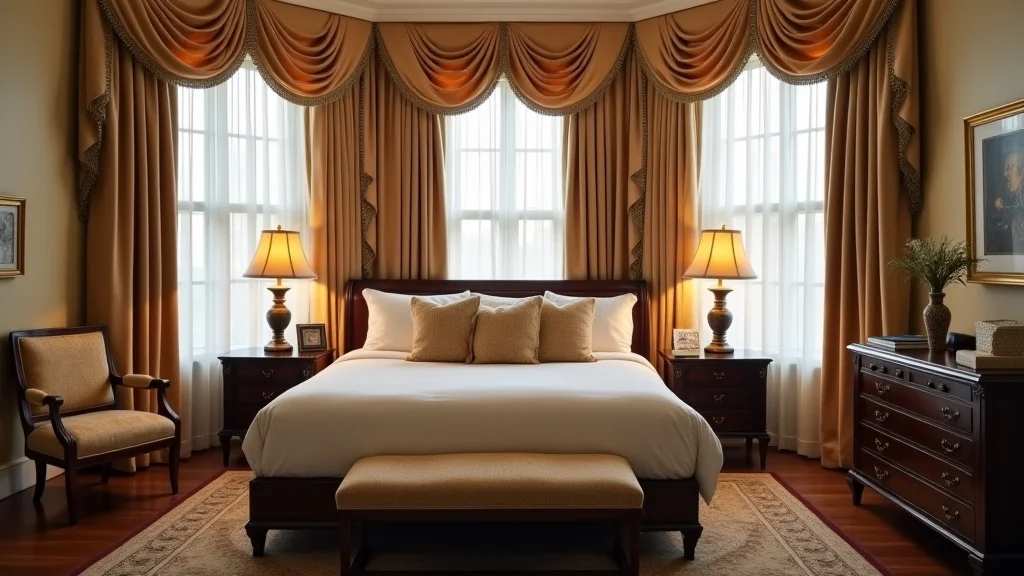
The most important bedroom on the second floor is the Presidential Suite. This suite, which includes a master bedroom, a sitting room, and a private bathroom, is where the president spends most of their private time. These spaces offer a place for relaxation, private meetings, and time with family. The design is unique to the needs of the sitting president. The décor within the suite is a mix of history, representing the tastes of the current president.
- Master Bedroom: The central feature of the suite, the master bedroom, is where the president rests and spends personal time. It’s often decorated with personal items and artwork, reflecting the president’s taste.
- Sitting Room: Attached to the bedroom is a sitting room. It serves as a relaxed space for informal meetings, reading, and spending time with family.
- Private Bathroom: The suite includes a luxurious bathroom. It is designed to offer the president all the necessary comforts and conveniences, including personal care.
Additional Bedrooms and Spaces
Besides the main suite, the second floor houses other bedrooms used by the First Family. These additional bedrooms accommodate children, guests, and other family members who may be living at the White House. Each room has the level of privacy the residents need. These spaces are typically furnished and decorated to mirror the style and taste of the family. The presence of additional spaces adds to the sense of a home that is tailored to family life.
- Guest Rooms: The second floor includes guest rooms. These rooms are designed for visiting family, friends, or dignitaries who stay at the White House. They offer comfort and privacy.
- Family Spaces: Beyond bedrooms, the second floor features living rooms, dining rooms, and other recreational spaces where the First Family spends time together.
- Private Kitchen: There is a private kitchen available for the First Family’s exclusive use. This allows for convenience in dining and provides the ability to cater to personal preferences.
The Third Floor and Other White House Areas
While the second floor serves as the main residence, the third floor of the White House also contains residential and recreational spaces. The layout allows for a variety of uses, and this includes rooms for entertaining. This part of the White House often houses rooms for guests, staff, and additional services. It features many amenities that contribute to a comfortable and efficient living environment. The layout supports the daily functions of the White House, from work to recreation.
The West Wing and East Wing
The West Wing and East Wing are important parts of the White House, although they are mostly used for work. The West Wing houses the Oval Office, the Cabinet Room, and offices of the president’s staff. It’s the nerve center for much of the executive branch’s business. The East Wing is mostly for social events, and it includes the office of the First Lady. It is used for ceremonies and entertaining.
- West Wing: The West Wing is the operational center. It houses the Oval Office, the Situation Room, and many offices essential for the president’s daily responsibilities.
- East Wing: The East Wing is used for social activities and provides spaces for official events. It has the First Lady’s office and often serves as a reception area for guests.
- The Importance of Balance: Both wings are important. The West Wing allows for work, while the East Wing helps the President’s family take on social responsibilities.
The Significance of the White House
The White House represents more than just a home for the president. It is the core of American history, and it’s a place where significant events have taken place. It is a symbol of democracy, and it has hosted leaders, guests, and countless historical events. Every part of the White House, from its architecture to the art that decorates the walls, is filled with layers of symbolism that speak to American history.
- A Symbol of Democracy: The White House is a constant reminder of the ideals of freedom and leadership, representing the heart of the U.S. government.
- Center for Diplomacy: The White House hosts leaders from around the world. These meetings and events are significant. They play a role in shaping international relations.
- Museum of American History: The White House is a living museum, showcasing American art, furnishings, and a collection of historical objects that tell the story of the nation’s past.
Common Myths Debunked
Myth 1: The President Can Change the Bedroom
Some think that the president can completely change where he or she sleeps. While the President can customize the rooms with personal items and choose furniture, the main living areas are usually the same. The basic structure and layout are permanent. The White House is a historic building, and changes must comply with preservation guidelines.
Myth 2: The Bedroom Has No Security
Many believe the presidential bedroom lacks security measures. However, this is not true. The rooms have the latest security features. They are designed for the safety of the president and their family. The White House has a comprehensive security system that is constantly being upgraded.
Myth 3: The Bedrooms Are Always Open to Public
Some think the public has open access to the presidential bedrooms. This is not the case. These spaces are strictly private. The areas are for the exclusive use of the First Family. Tours typically only provide access to public areas.
Myth 4: The President Has Only One Bedroom
It’s a common misconception that the president only has one bedroom. In reality, the presidential suite and surrounding areas on the second floor usually include multiple bedrooms, sitting rooms, and guest rooms. This setup provides privacy for the president. It also accommodates family members and guests.
Myth 5: All Presidents Stay in the Same Bedroom
The notion that all presidents always use the exact same bedroom is incorrect. While the main suite is generally consistent, presidents may personalize their sleeping quarters. They might also choose certain rooms based on their needs, family situation, or personal preferences. The living spaces can be modified and adjusted for each administration.
Frequently Asked Questions
Question: Can the public visit the presidential bedroom?
Answer: No, the presidential bedroom is private and not accessible to the public. Tours mostly cover the public areas.
Question: Are there any specific modifications for accessibility in the bedrooms?
Answer: Yes, in recent years, accommodations for accessibility have been incorporated. These modifications make sure the White House is comfortable for all occupants.
Question: Are there any hidden rooms or secret passages near the president’s bedroom?
Answer: The existence of secret passages is a popular idea, though there is no confirmed information about passages directly connected to the bedroom.
Question: Does the First Family bring their own furniture to the White House?
Answer: Yes, the First Family can bring in personal furniture, but they must also use some of the historical items already in the residence.
Question: Is the president’s bedroom always on the second floor?
Answer: Generally, the main sleeping quarters are located on the second floor. However, there might be exceptions for special needs or circumstances.
Final Thoughts
In exploring the question, “what bedroom does the president sleep in,” we’ve looked into the historic Presidential Suite, located on the second floor. We’ve explored the evolution of presidential bedrooms. The suite has transformed over time, adapting to the needs of each family that has called the White House home. By understanding the layouts, history, and modifications, we get a unique peek into the daily life of the First Family. These private spaces show that, even with all the prestige, the President needs a place to find peace. The White House shows how history and family life mix. This makes the space a symbol of democracy, filled with both power and everyday life.
