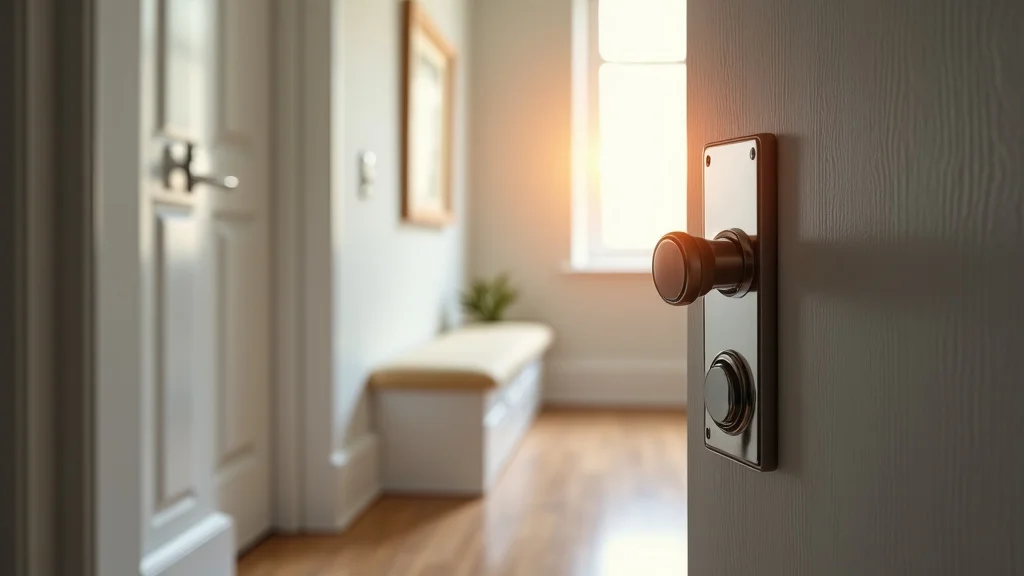
Remember that time you accidentally walked in on your sibling? Awkward, right? Or maybe you’ve been on the other side, wanting some space to yourself. These situations highlight a simple question: should bedroom doors have locks? This isn’t just about privacy; it’s about safety, personal space, and establishing boundaries. In this post, we’ll explore the pros, cons, and different aspects of having locks on bedroom doors, and you’ll gain a thorough insight into making the right choices for your home.
Key Takeaways
- Learn about the main reasons for and against installing locks on bedroom doors.
- Understand the different types of door locks available and their features.
- Discover how locks affect safety and security in your home.
- Explore the legal and social considerations related to bedroom door locks.
- Gain valuable advice on selecting the right locks for different needs.
- Get insight on maintaining and troubleshooting bedroom door locks.
The Case for Bedroom Door Locks: Privacy and Protection
The primary benefit of having locks on bedroom doors revolves around privacy. Your bedroom is your personal sanctuary, a space where you can relax, study, or simply be yourself. A lock provides a physical barrier that signals a need for respect and indicates that entry requires permission. This is especially important for teenagers and adults who may need personal space to manage their activities and feelings.
Privacy as a Foundation
Personal space is important. A locked door helps establish boundaries within a household. It allows individuals to engage in activities without interruption or unwanted observation. Whether it’s reading, working, or simply having some quiet time, a locked door provides peace of mind. Without this boundary, there’s always a risk of unexpected intrusions, which can disrupt focus and increase stress. Privacy fosters a sense of independence and autonomy, essential for personal growth and wellbeing.
- Enhanced Focus: Without constant fear of interruption, individuals can concentrate better on tasks.
- Reduced Stress: Knowing you have personal space reduces anxiety related to unexpected interactions.
- Greater Autonomy: Locks help develop a sense of personal ownership and decision-making within a home.
- Respect for Boundaries: It sets the tone for respecting each other’s space within the household.
Boosting the Security of Your Space
Locks can provide an additional layer of security. They deter potential intruders, whether from outside or other family members. While a standard bedroom door lock might not stop a determined intruder, it can act as a visual deterrent and offer time to respond to a situation. This extra security enhances the safety of valuable belongings like laptops, important documents, or personal items. A secure lock ensures added protection for its users.
- Deterrent: A locked door is the first line of defense against unwanted entry.
- Delay Tactics: Locks can buy time, enabling you to react to unexpected intrusions.
- Protection of Belongings: Valuable items are safer behind a locked door.
- Peace of Mind: Helps you feel more secure in your home environment.
Door Lock Types and Features
Knowing the different types of locks available can help you decide what fits your needs best. From simple privacy knobs to more complex electronic systems, the choices range widely. Each lock type has its advantages and limitations, influencing your choice based on function, security level, and convenience. Let’s explore several typical bedroom door lock options and their key characteristics.
Privacy Knobs and Passage Sets
Privacy knobs are simple and common. They often have a push-button or a twist-style lock on the inside and a small pinhole for emergencies from the outside. These are excellent for basic privacy, but they are easily bypassed if someone has a basic tool. They are mainly designed to provide convenience and a degree of personal space. Installation is simple, and they’re usually inexpensive, making them a common choice for bedrooms.
- Ease of Installation: Typically easy to install and replace.
- Simple Operation: The lock and unlock mechanisms are simple to operate.
- Emergency Access: Often feature a small pinhole that can be unlocked from the outside.
- Budget-Friendly: Generally, the most cost-effective solution for bedroom doors.
Deadbolt Locks
Deadbolts offer a higher level of security than privacy knobs. These are more robust locks with a bolt that extends into the door frame. They are typically engaged manually with a key or thumb turn. Deadbolts are very difficult to pick or force open, offering increased protection against unwanted entry. They are often used on exterior doors, but some prefer to install them on bedroom doors for enhanced security, especially in homes with multiple occupants.
- Enhanced Security: Resistant to picking and forced entry.
- Durable: Made from strong materials and built to withstand attempts at forced entry.
- Keyed Operation: Usually requires a key to lock and unlock.
- Greater Protection: Provide a higher degree of security than simple privacy knobs.
Electronic Locks
Electronic locks offer advanced security and convenience. These may be keypads, fingerprint scanners, or smart locks controlled through a smartphone app. Keypad locks require a code to unlock the door, while fingerprint scanners use biometric data. Smart locks can be unlocked remotely and provide activity logs. While electronic locks can be more expensive, the convenience and added features make them attractive, particularly for tech-savvy individuals. These locks are often combined with smart home systems.
- Keyless Entry: Eliminate the need for physical keys.
- Advanced Features: Include remote access, activity logs, and automated locking.
- Increased Convenience: Easy to manage access and settings.
- Integration: Integrate with smart home systems and security platforms.
Safety Considerations and Potential Issues
While bedroom doors with locks provide security and privacy, they also introduce safety concerns. It’s important to carefully consider these factors to make a decision that balances both your needs. Issues such as emergency access, fire safety, and the potential for misuse are crucial. A balanced perspective that considers all aspects is important.
Emergency Access
One of the primary safety concerns is the ability to access a locked bedroom in an emergency. In case of a fire, medical emergency, or any other critical situation, locked doors can create significant barriers for first responders. Many jurisdictions require doors to be easily opened from the inside, so it’s essential to consider the implications of your chosen lock system. Having a plan for emergency access is necessary, such as keeping a spare key in an easily accessible location.
- Risk of Delayed Response: Locked doors can delay emergency responders.
- Need for Quick Access: Fast access is critical in emergencies such as fires or medical incidents.
- Emergency Key Placement: Essential to have easily accessible keys near the door.
- Local Regulations: Check with local fire codes and regulations to make sure your door is legal.
Fire Safety Issues
Locked doors can trap individuals inside rooms during a fire. Smoke detectors and fire alarms are essential, but a locked door can still prevent rapid escape, especially if the occupant is incapacitated. Always be aware of fire safety regulations and consider options like quick-release locks that can be easily opened from the inside without a key. Regular fire drills and a clear escape plan are also essential to help reduce the risk during a fire.
- Risk of Entrapment: Can trap residents during a fire incident.
- Rapid Escape Needs: Fast exit during a fire is essential for safety.
- Fire Drill Planning: Practice escape routes and ensure everyone knows how to leave quickly.
- Escape Routes: Always have other escape options like windows.
Potential for Misuse
Locks can be misused if used to exclude or isolate people within a household, leading to issues with trust and respect. It’s important to develop and maintain an environment of openness and trust. If a family member feels excluded or isolated, this can cause conflict and damage interpersonal relationships. Open communication and respect for individual privacy are important. Careful consideration is needed to ensure the lock is not used to the detriment of others.
- Exclusion Risk: Locked doors may promote feelings of exclusion.
- Communication is Key: Open and clear communication can help to manage any concerns.
- Family Dynamics: Locks may change how people interact with each other.
- Respect Boundaries: Promote respect and create a positive environment.
Legal and Social Considerations
Besides practical considerations, legal and social aspects play a role in the question of whether bedroom doors should have locks. Local laws, family rules, and social norms influence how people use locks and how they affect those around them. Consider these aspects to ensure that your choices align with legal requirements and promote healthy, positive interactions in the home.
Local Regulations and Homeowners Association Rules
Local building codes and homeowners’ association (HOA) rules could affect your ability to install or use locks on bedroom doors. Fire safety regulations often dictate the type of locks that are allowed and the conditions that the doors can be locked under. Before making a decision, you should verify any restrictions or requirements that apply to your home to ensure compliance with legal standards and community guidelines. This prevents potential legal trouble.
- Building Code Requirements: Ensure compliance with safety standards and codes.
- HOA Rules: Adhere to association guidelines.
- Permits: In some cases, permits may be needed for lock installation.
- Legal Considerations: Verify all actions are compliant with laws and regulations.
Family Dynamics and Communication
The effect of locks on family dynamics is an important social consideration. Locks can affect trust and communication within a family, particularly in homes with children or teenagers. Open communication about the purpose of the lock, setting boundaries, and ensuring there’s trust is important to prevent conflict and misunderstanding. Involve all family members in decisions concerning the implementation of locks to help ensure it promotes privacy and respect for everyone. This way, any negative effects are minimized.
- Promote Transparency: Talk with everyone on the intentions of the locks.
- Open Communication: Create an open line of communication about the lock’s purpose.
- Establishing Respect: Establish clear guidelines and respect for individual privacy.
- Positive Interaction: Improve the environment in the home.
Age-Appropriate Usage
Decisions about locks should also be age-appropriate, particularly for children and teenagers. While older teens might understand and require more personal space and privacy, children may need less autonomy. Parents should assess individual maturity levels and establish guidelines. Communicate clearly why locks are used and when their use is appropriate. Ensuring children are prepared and know how to act in an emergency is also important. This creates a balance between safety, privacy, and development.
- Evaluate Maturity: Consider the person’s age.
- Guidelines: Establish clear rules.
- Educational Opportunities: Teach children about appropriate lock usage.
- Safety First: Prioritize safety and wellbeing.
Selecting the Right Locks for Your Needs
Knowing what type of lock fits your needs involves considering several factors, including security level, budget, and the features you need. There’s no single solution; the ideal choice depends on your specific needs, your environment, and your personal preferences. Whether you want to improve security, improve privacy, or balance between the two, an informed choice is important.
Assessing Security Needs
To determine the needed level of security, consider your environment and personal safety concerns. Do you live in a low-crime area or an area that requires increased protection? Assess the potential risks, such as break-ins or unwanted intrusions. Decide on the level of security to protect yourself and your family. If the risk is relatively low, a basic privacy lock might suffice. However, if security is a major concern, it’s best to consider a deadbolt or an electronic lock with more advanced features.
- Location Analysis: Consider the neighborhood’s safety.
- Assess Risks: Identify potential security threats.
- Security Level: Establish the desired level of protection.
- High-Security Locks: For high-risk areas.
Budgetary Considerations
The cost of locks can vary from low to high, so it’s important to decide your budget before you start shopping. Prices vary greatly between the different lock types, and the features that are included. Simple privacy knobs are typically the least expensive option, whereas electronic locks, especially smart locks, come with more advanced features. Think about how much you want to spend and look for locks that deliver the needed security and functions at a price you can afford. It’s wise to consider long-term value and durability while balancing costs.
- Budget Setting: Decide how much you want to spend.
- Comparing Costs: Analyze the different lock prices.
- Feature Priorities: Balance security, function, and costs.
- Long-Term Value: Consider the durability and longevity.
Features and Functionality
Consider the added features that match your lifestyle and needs. Do you value keyless entry, remote access, or activity logs? Electronic locks provide those features, but they come at a higher cost. If you simply want more privacy, a standard privacy knob is a good choice. Key features like emergency access, durability, and user-friendliness should be considered. Matching the lock to your preferences will improve your satisfaction.
- Keyless Entry: Eliminate the need for keys.
- Remote Access: Improve the convenience of remote access.
- Activity Logs: Monitor lock operations.
- User-Friendliness: Ensure the lock is simple to operate.
Maintaining and Troubleshooting Bedroom Door Locks
Taking proper care of your bedroom door locks is essential for their longevity and reliability. With proper maintenance and awareness, you can reduce problems and ensure that your locks work correctly. Routine maintenance, such as lubrication and cleaning, can prevent many issues, while quick troubleshooting can solve smaller problems. You also improve the safety and security of your doors by knowing the necessary steps.
Regular Maintenance Tasks
Regular maintenance is essential to prevent lock issues. Lubricating the lock mechanism with a graphite lubricant can help prevent sticking and keep the operation smooth. Clean the lock and door hardware to prevent buildup, dust, and dirt. Inspect the door and door frame regularly for wear and tear, and adjust or repair them as necessary. These actions will help your locks function properly over a long period. Regular attention keeps your doors more reliable.
- Lubrication: Use a graphite lubricant.
- Cleaning: Clean the locks to prevent build-up.
- Inspection: Examine the door and the frame.
- Professional Checks: Arrange professional maintenance.
Common Troubleshooting Tips
You can solve many common lock problems. If a key gets stuck, try lubricating the lock. If the lock gets stuck, try lubricating the mechanism, or check to see if the door isn’t properly aligned. If the lock is difficult to turn, verify that the strike plate is aligned correctly. If these strategies do not work, consult with a professional locksmith. Quick troubleshooting can save you time and cost. Addressing problems early stops more major issues later.
- Key Stuck: Try lubricating the lock.
- Locking Problems: Check for proper alignment.
- Turning Difficulty: Verify the strike plate.
- Professional Help: Seek a professional if needed.
Common Myths Debunked
Myth 1: Locks guarantee complete security.
Locks offer a degree of security and protection, but they do not provide a 100% guarantee. A determined intruder can get through even the strongest locks by using specific tools or strategies. The level of security provided by a lock depends on its design, quality, and installation. It is best to consider locks as one component of a larger security strategy.
Myth 2: All locks are equal in safety and functionality.
All locks aren’t created equally. The type, the materials, and the craftsmanship can drastically change their functionality. Basic privacy locks differ from deadbolts or electronic locks, with the level of security and convenience they provide. Evaluating the lock’s quality is essential. Quality is a major factor in the lock’s durability, and its ability to withstand tampering.
Myth 3: Locks on bedroom doors are always a sign of a lack of trust.
Locks do not always indicate a lack of trust. They are more a sign of privacy and personal boundaries. In many situations, locks allow for needed personal space and reduce the chance of interruption. They are a tool to manage privacy within the home, allowing people to feel comfortable, and giving everyone peace of mind. Communication within the family can remove any possible misunderstandings.
Myth 4: A locked door hinders emergency services.
While this is a possible concern, it’s not always true. Emergency services have a variety of methods for gaining entry, including keys, emergency access tools, or through other entrances like windows. It is important to have a plan for emergency access, such as storing a spare key in a convenient location. Consider a quick-release lock mechanism to improve access if your door is locked in an emergency.
Myth 5: All electronic locks are complex and hard to manage.
This is often not the case. While some electronic locks are more complex, many are simple and user-friendly. Most electronic locks have user-friendly interfaces, such as keypads, smartphone apps, or remote controls. They offer convenient options and tools for managing access, activity logs, and settings. Choose your electronic locks carefully to align with your technical skills and requirements.
Frequently Asked Questions
Question: Are bedroom door locks allowed by law?
Answer: Local building codes and fire safety regulations often influence whether or not bedroom door locks are permitted. Check with local authorities to verify compliance.
Question: What’s the best type of lock for a bedroom door?
Answer: It depends on your needs. Privacy knobs provide the basics, deadbolts offer improved security, and electronic locks add the option of access control and smart home features.
Question: How can I handle a lock problem?
Answer: Start by lubricating the lock. If the problem persists, confirm the lock is properly aligned. Call a professional locksmith if necessary.
Question: Are locks on bedroom doors appropriate for children?
Answer: It depends on the age and maturity of the child. It’s key to make an assessment, and to set up guidelines and discuss the usage of locks. Make sure the child knows what to do in an emergency.
Question: How often should I lubricate my bedroom door locks?
Answer: Regular lubrication, every six months to a year, is typically sufficient. The lubrication frequency depends on usage and environmental circumstances.
Final Thoughts
So, should bedroom doors have locks? The answer isn’t simple. Consider your needs, family dynamics, and the legal requirements in your location. Locks offer a degree of privacy, improved security, and boundary setting, which are important aspects. However, you should also take into account safety, access issues, and the need for open communication inside the home. By taking all these points into consideration, you can make a choice that enhances your living environment. Remember to examine the specific requirements and balance security with the safety and well-being of all in your space.
